
The symposium will take place on 8–9 September 2026 at the Centre for Structural Systems Biology (CSSB) in Hamburg, Germany.
The abstract submission deadline is 15 May.
Session Topics at the conference
- Virus Structure, Receptors and Entry
- Virus Replication, Assembly and Maturation
- Viral Proteins, Vaccines and Antivirals
Contact us: vision.symposium.2026@cssb-hamburg.de
Speakers
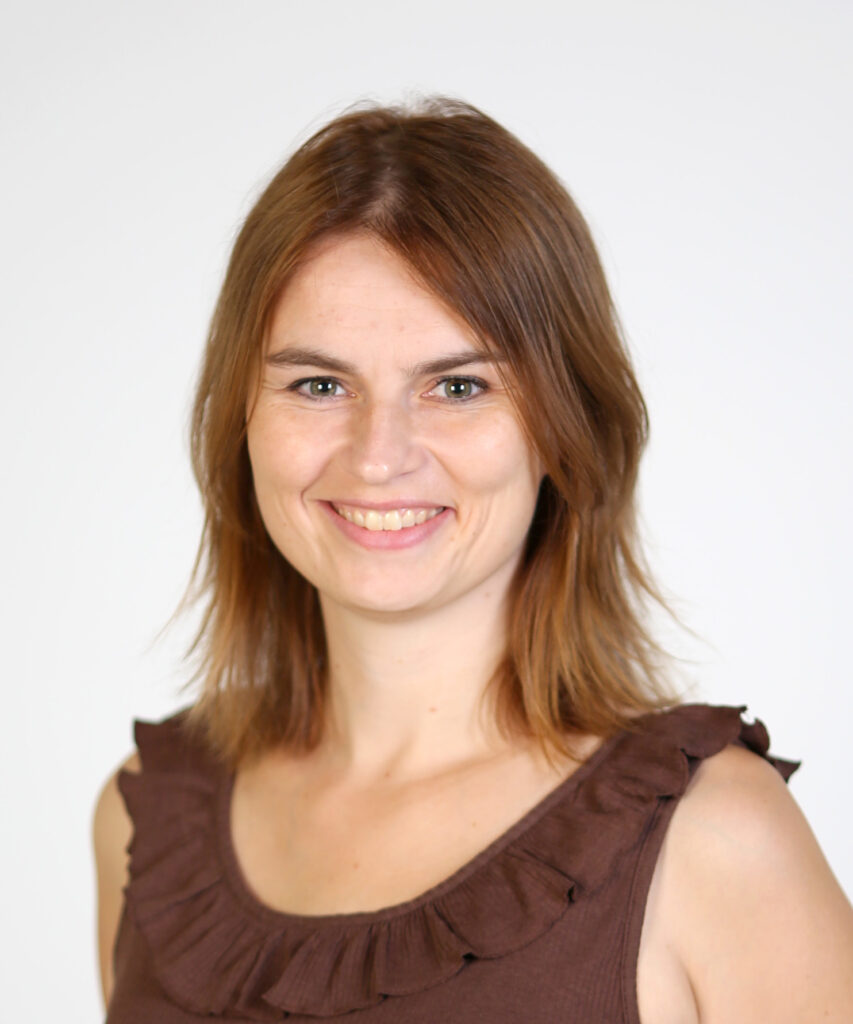
Beata Turonova
Max-Planck-Institute Frankfurt, Germany
About the speaker
Dr. Beata Turoňová is a Project leader at the Molecular Sociology Department at the Max Planck Institute of Biophysics, where she develops computational methods for in situ structural biology with a strong focus on cryo-electron tomography. Her research aims to improve the analysis of tomograms and subtomogram averaging by enhancing tomogram quality and incorporating contextual information, enabling more robust and objective structural characterization of macromolecular assemblies directly within cells. These methodological advances are particularly relevant for studying viral replication, assembly, and virus–host interactions in their native cellular environments.
Dr. Turoňová studied computer science at Charles University and visual computing at Saarland University, where she also completed her PhD in computer graphics. She subsequently carried out postdoctoral research at EMBL Heidelberg in the laboratories of John Briggs and Martin Beck, developing computational methods for cryo-ET. Since 2020, she has led an image processing group at the Max Planck Institute of Biophysics, developing next-generation algorithms that expand the power of cryo-ET for studying viruses and other dynamic macromolecular machines in situ.
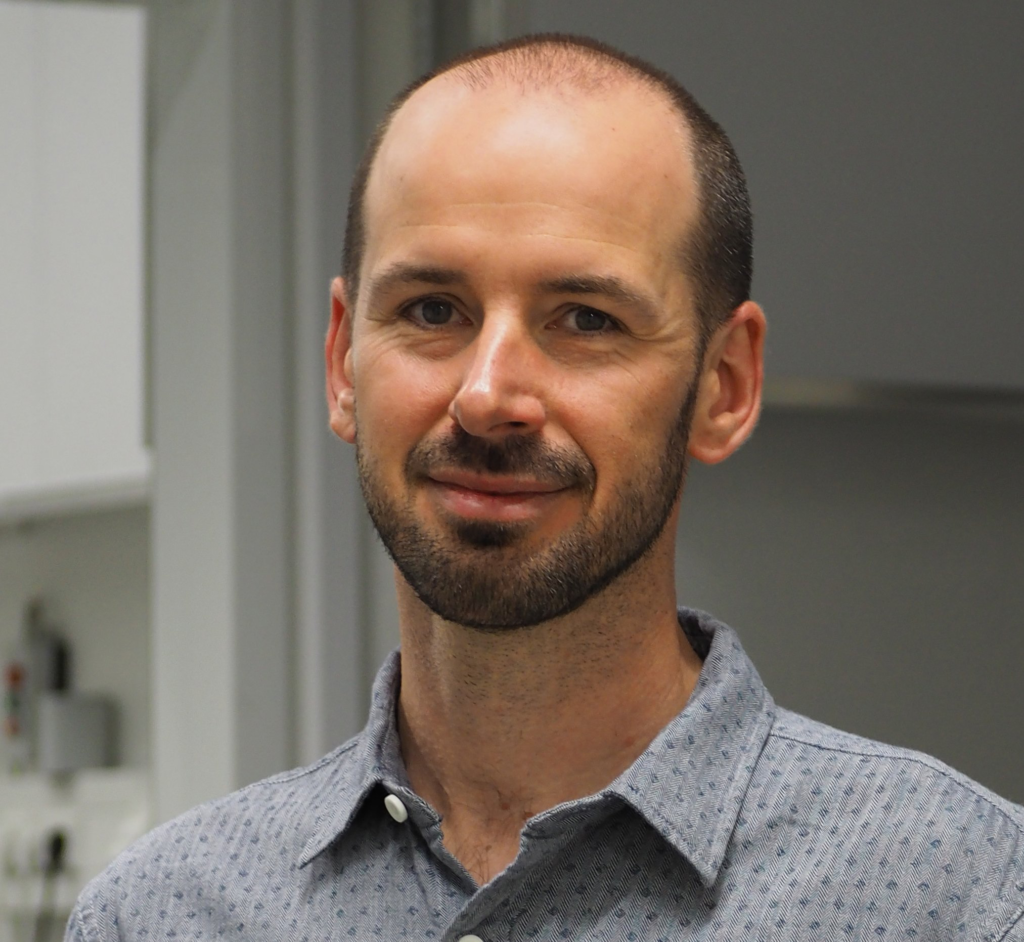
Petr Chlanda
University of Heidelberg, Germany
About the speaker
We are pleased to host Dr. Petr Chlanda, who studies how membrane-enveloped RNA viruses, including influenza A virus, SARS-CoV-2, and Ebola virus, interact with and remodel host cells. His research focuses in particular on the mechanisms of viral entry and exit. Using advanced cryo-electron microscopy approaches, including cryo-focused ion beam milling, in situ cryo-electron tomography, and cryo-correlative light and electron microscopy, combined with complementary imaging techniques, his work aims to better understand viral-membrane interactions directly within infected cells.
A native of the Czech Republic, Dr. Chlanda studied biochemistry at Charles University in Prague and received his PhD from Heidelberg University, where he investigated poxvirus assembly using electron microscopy. He subsequently completed postdoctoral training at EMBL Heidelberg and the NIH in Bethesda on the structural mechanisms of influenza A virus membrane fusion and assembly. Upon returning to Heidelberg University, he became a Chica and Heinz Schaller group leader at the Department of Infectious Diseases and BioQuant. Since 2025, he has been W3-Heisenberg Professor for Cryo-EM of Viral Infection at Heidelberg University and is a founding member of the Heidelberg University Cryo-EM Network (HDcryoNet).
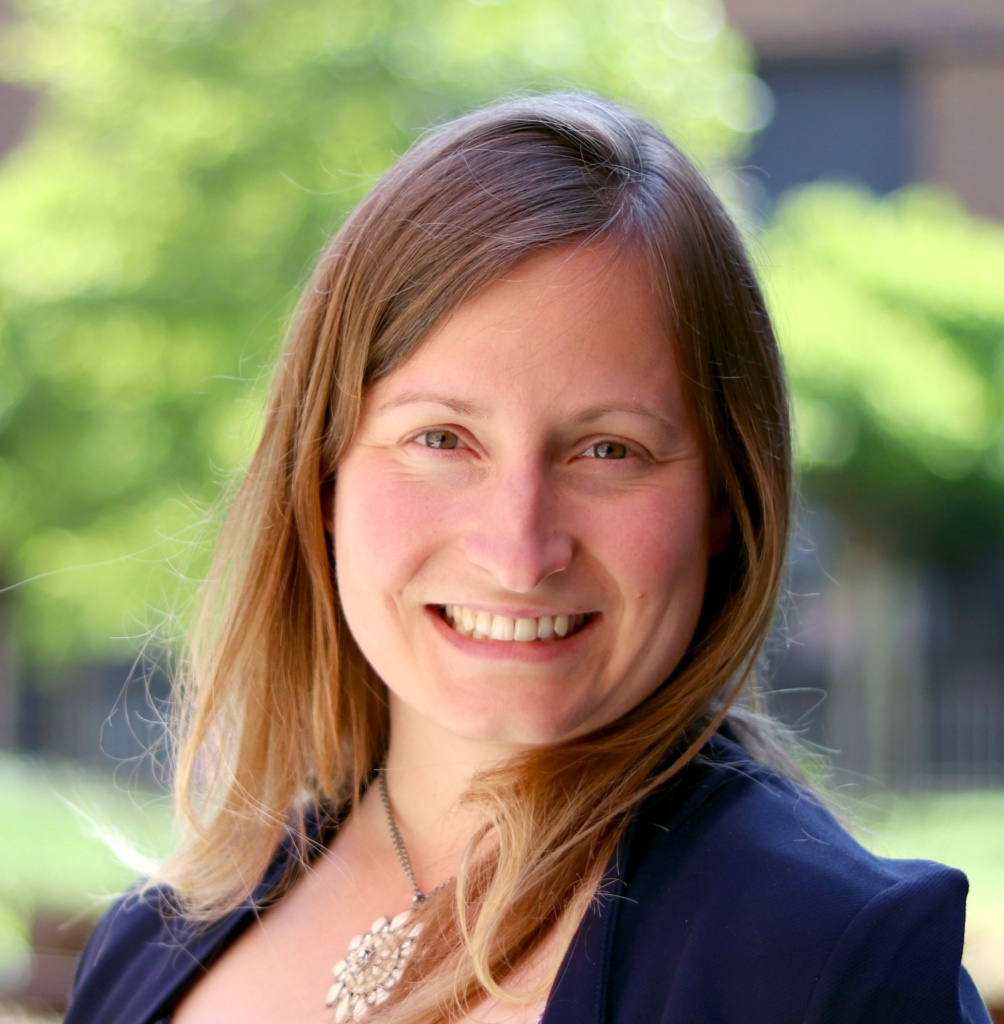
Clara Schoeder
University Leipzig, Germany
About the speaker
The Schoeder Lab focuses on the computational design of proteins for applications in immunotherapy and virology, combining iterative computational protein design with experimental validation. The group applies structure-based and machine-learning approaches, including Rosetta, protein language models, and ProteinMPNN, to engineer antibodies, T-cell receptors, vaccine antigens, and viral proteins. Designed proteins are expressed in bacterial or mammalian systems and characterized using a broad range of biochemical, biophysical, and structural techniques. A particular emphasis lies on understanding and targeting virus–host interactions to develop novel protein-based strategies against viral infection and immune evasion.
Clara T. Schoeder is a Junior Professor for the development of novel immunotherapeutic drugs at Leipzig University, Faculty of Medicine, where she leads a junior research group at the Institute of Drug Discovery. She established her independent research program in 2021 and was appointed Junior Professor in 2023. She received her PhD in Pharmacy from the University of Bonn and completed postdoctoral training in the laboratories of Jens Meiler and James E. Crowe, Jr. at Vanderbilt University.
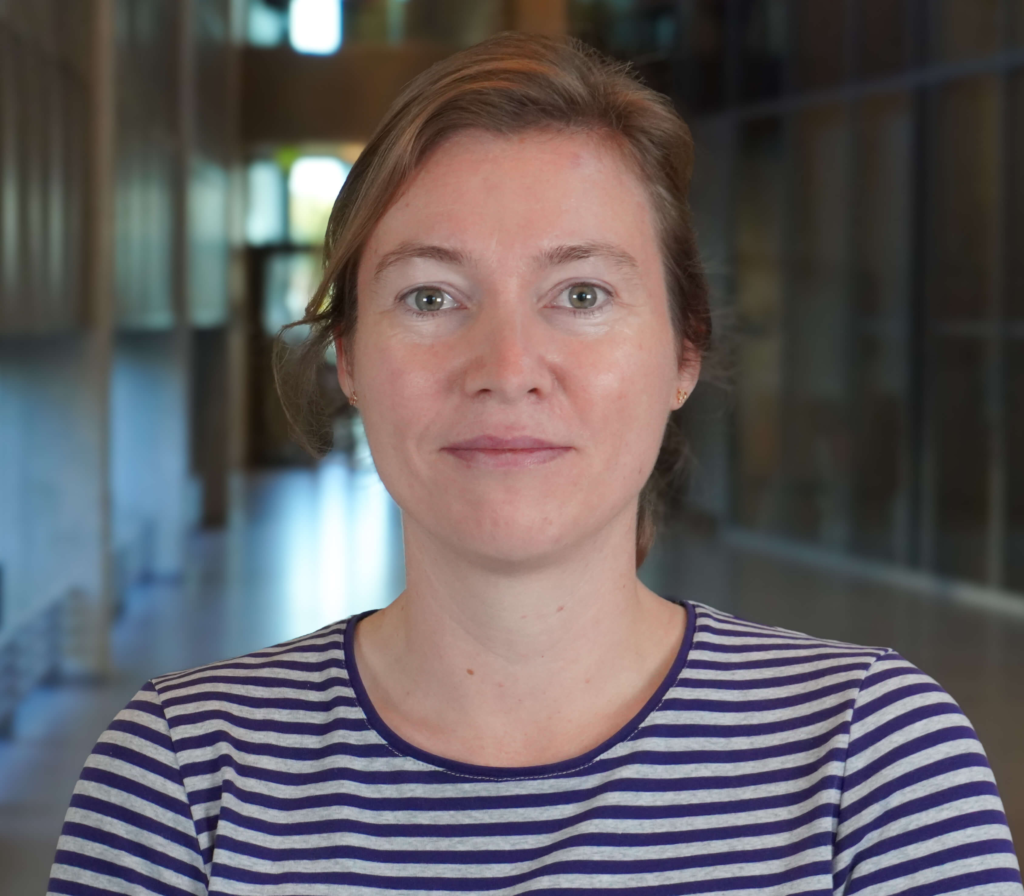
Eva Kummer
University of Copenhagen, Denmark
About the speaker
Eva Kummer studied human biology at the University of Greifswald/Germany. After graduation in 2009 she earned her doctoral degree from Heidelberg University/Germany and gained further postdoctoral research experience in Heidelberg and at ETH Zürich/Switzerland. In 2021 she secured an associate professorship to start her independent research group at the Novo Nordisk Foundation Center for Protein Research/University of Copenhagen/Denmark. Since 2024 her group is located at the Biotech Research and Innovation Centre (BRIC)/Denmark. Her main field of research is mitochondrial and viral DNA maintenance. By combining structural techniques, mainly cryo-EM, with functional biochemistry her group is gaining mechanistic insights into the biology of mitochondria and human herpesviruses.
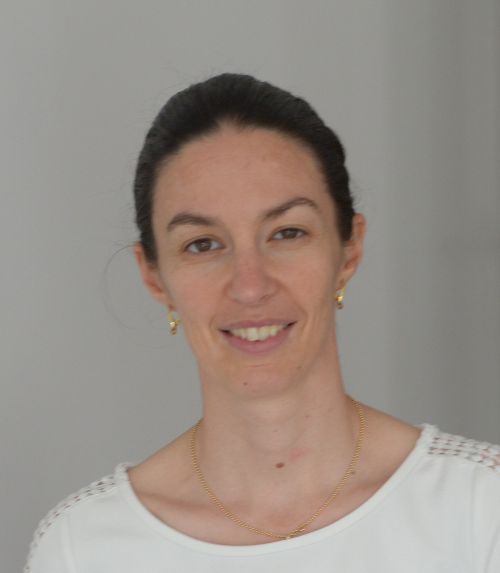
Hélène Malet
Grenoble Alpes University, France
About the speaker
We are pleased to host Hélène Malet, an excellent structural virologist who specializes in the structural and functional analysis of bunyavirus replication and transcription. Her research group is affiliated with the Institut de Biologie Structurale at Université Grenoble Alpes, France and uses cryo-electron microscopy to study viral polymerases.
After earning her degree in structural biology from the University of Aix-Marseille, she pursued a postdoctoral fellowship at Birkbeck College, focusing on the structure and regulation of negative-strand RNA virus polymerases. Following her EMBO long-term fellowship at EMBL Grenoble, she was appointed associate professor (Maître de conférences) at Université Grenoble Alpes in 2015. In recognition of her research excellence, she was selected as a junior member of the Institut Universitaire de France in 2020 and received the CNRS bronze medal in 2021 for her outstanding early career research on structural analyses of viral polymerases.
Boris Bogdanow
Charité Berlin, Germany
About the speaker
Dr. Boris Bogdanow leads the Systems and Structure Biology of Viral Infections research group at the Institute of Virology, Charité – Universitätsmedizin Berlin. His laboratory investigates the molecular and structural dynamics that govern virus–host interactions, aiming to reveal how viral pathogens evolve and adapt to human hosts.
Viral infections are complex biological processes defined by dynamic interactions between viral and host proteins that enable efficient viral replication, assembly of progeny viruses, and evasion of host immune defenses. To address this complexity, the Bogdanow group combines system-wide and structural analysis with cutting-edge technologies, including structural and quantitative proteomics, advanced structure modeling, and physiologically relevant human and animal cell culture systems.
The laboratory’s research focuses on medically important pathogens such as Influenza A viruses, Coronaviruses, and MPox, with the long-term aim of constructing a comprehensive picture of virus–host protein interactions and their role in viral evolution and adaptation.
By advancing fundamental understanding of viral infection mechanisms, the laboratory strives to illuminate the molecular underpinnings of past pandemics and contribute toward strategies aimed at preventing future outbreaks originating from animal reservoirs.
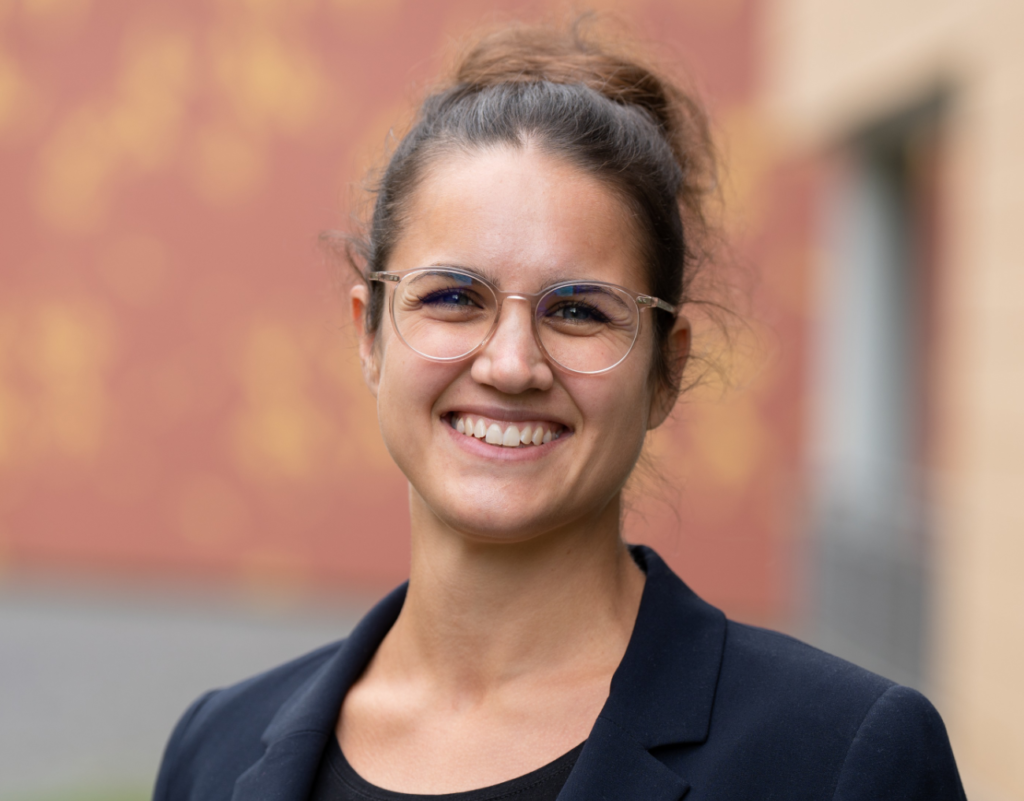
Anke-Dorothee Werner
Marburg University, Germany
About the speaker
We are pleased to host Dr. Anke-Dorothee Werner, from the Institute for Virology in Marburg. Her research focuses on highly pathogenic viruses, with particular emphasis on the matrix proteins of filoviruses. She integrates structure-guided antiviral drug development using X-ray crystallography with infection studies involving authentic viruses under BSL-4 conditions. Her work aims to understand viral dynamics at the molecular level, particularly the oligomerization and complex formation of matrix proteins with viral and host factors, and to identify strategies to target these processes for therapeutic intervention.
Dr. Werner studied nutritional science with a focus on biochemistry in Gießen and completed her PhD in the laboratory of Stephan Becker at Philipps-Universität Marburg. Her interdisciplinary background in biochemistry and virology underpins her approach to dissecting virus assembly and host interactions through a combination of structural biology and high-containment infection models.
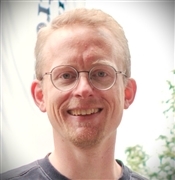
Joost Snijder
Utrecht University, Netherlands
About the speaker
Research
Viral replication and spread require a tight balance between host cell interactions and immune evasion. To enter cells, viruses need to engage with surface receptors while simultaneously shielding vulnerable epitopes to the adaptive immune system. Likewise, to sustain the production of new viral particles, the host cell requires extensive remodeling while simultaneously suppressing antigen presentation and the innate immune response. The virus-host interactions that enable these processes involve surface antigens with complex glycosylation patterns, polyclonal antibody repertoires and a broad cross-section of the host proteome and its signaling networks. Structural proteomics techniques offer exiting opportunities for a more comprehensive understanding of these complex interactions at a molecular scale. Recent advances in mass spectrometry and electron microscopy enable detailed mapping of site-specific glycosylation patterns in surface antigens, shedding light on how viruses balance host-cell engagement with shielding against the antibody response. Likewise, the antiviral antibody repertoire can now be mapped out at the sequence and epitope levels, straight from secreted antibody product in bodily fluids. The development of these analytical techniques provides a more comprehensive insight into virus-host interactions and enables improved antigen design for vaccines, serological studies, and structural biology alike. Recent work on the antiviral antibody response against dengue virus and related flaviviruses illustrates how this structural proteomics approach opens new avenues to understand complex virus-host interactions at a molecular scale.
Biography
Joost Snijder (born 1988) is an Assistant Professor at Utrecht University, The Netherlands. His team uses structural proteomics to study virus-host interactions, using an integrative approach based on mass spectrometry and electron microscopy. Snijder obtained his PhD from Utrecht University in 2015. His thesis revolved around the use of native mass spectrometry to study virus assembly and was awarded the H.G.K. Westenbrink prize by the Dutch Society for Biochemistry and Molecular Biology. With the support of an EMBO Long-Term Fellowship and an NWO Rubicon grant he subsequently carried out postdoctoral research at the University of Washington in Seattle, USA. Here he used cryoEM and glycoproteomics to study the glycan shield of coronavirus spike proteins, as well as the neutralizing antibody response to Epstein Barr Virus. In 2018 he received the KNAW Heineken Young Scientist Award and in 2019, with support from the Institute for Chemical Immunology, started his own research group back at Utrecht University. In 2023, he was awarded an ERC Starting Grant to fund his research into the antibody-response against flaviviruses, like dengue and zika virus.
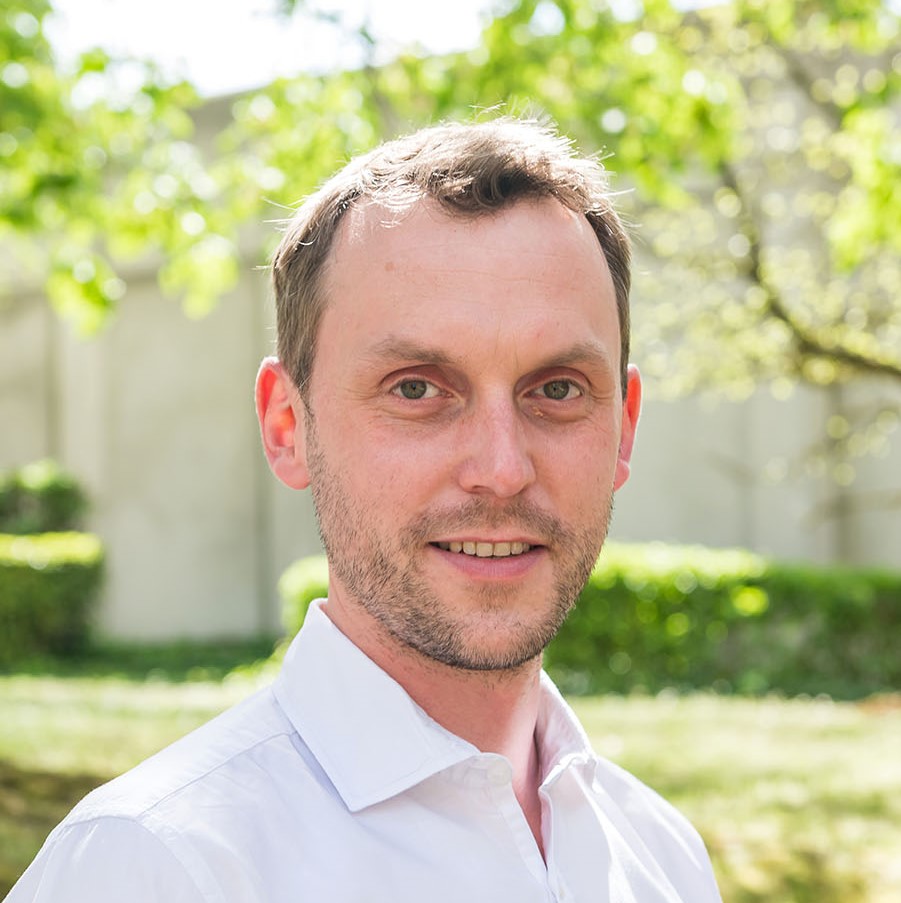
David Alsteens
Université catholique de Louvain
About the speaker
David Alsteens is the project leader of the NanoBiophysics laboratory within the Louvain Institute of Biomolecular Science and Technology of Université catholique de Louvain (UCLouvain) in Belgium and a research associate of the belgian FNRS. Alsteens originally trained in bioengineering and nanobiotechnology at UCLouvain, completed his PhD in chemistry and nanobiophysics at UCLouvain, where he used atomic force microscopy (AFM) to investigate the nanomechanics of microbial cell walls and cell-surface proteins. After his doctorate, Alsteens held research fellowships and conducted a postdoctoral stay at ETH Zürich supported by an EMBO fellowship. During this period he developed innovative AFM-based methods to probe biological interactions at the nanoscale. He established his own group at UCLouvain focusing on virus–receptor interactions at the single-virus level, using advanced AFM techniques such as single-virus force spectroscopy to directly measure binding forces between viral particles and receptors on living cells. These measurements are combined with confocal laser scanning microscopy to link mechanical data with cellular imaging. Through this nanobiophysical approach, the group quantifies the strength and dynamics of viral attachment and provides insights into the entry mechanisms of viruses.